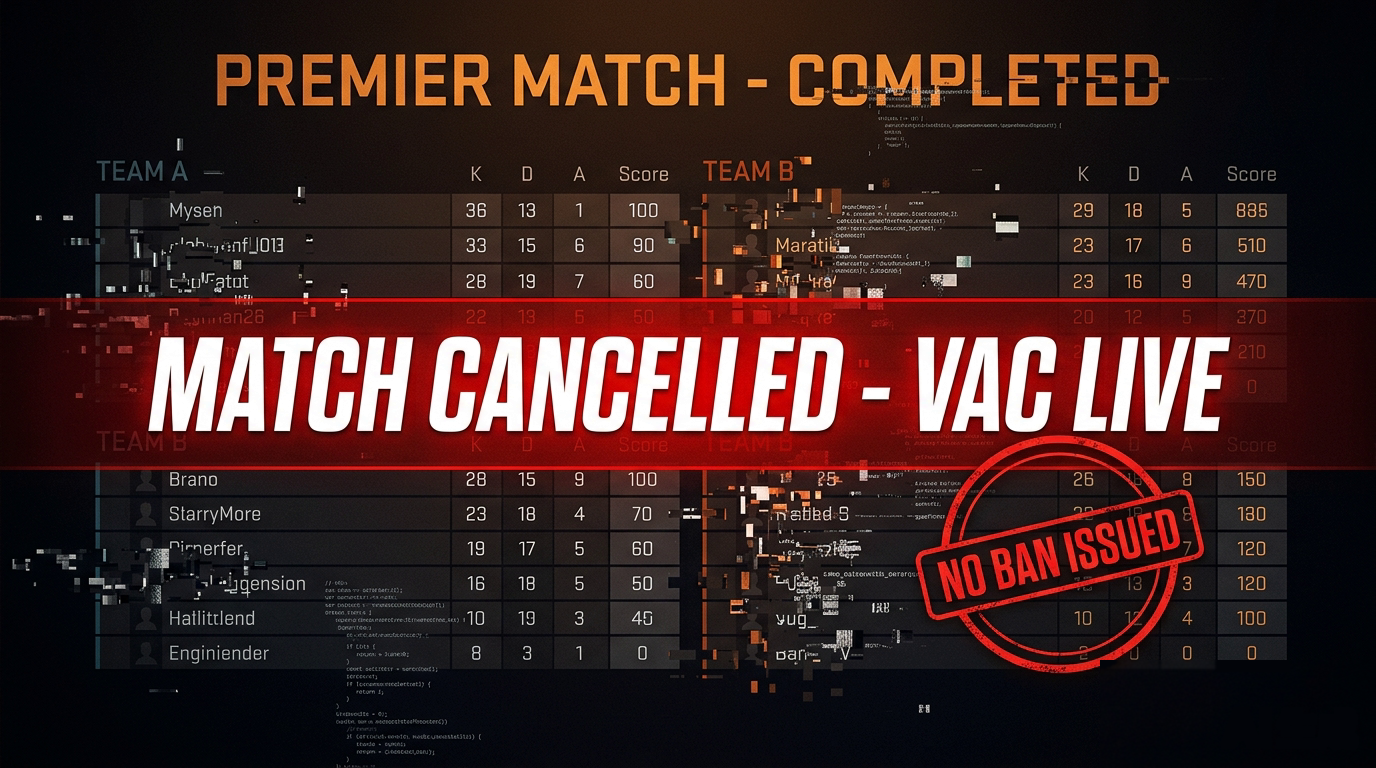
CS2 4:3 Stretched vs 16:9 Native: 77.8% of Pros Still Pick 4:3, but the Meta Is Shifting
Data from 1,000+ pros shows 4:3 stretched still dominates, with 1280x960 leading the pack. But the FOV cost is real, and newer pros are warming to 16:9. Here are both sides of the oldest debate in Counter-Strike.
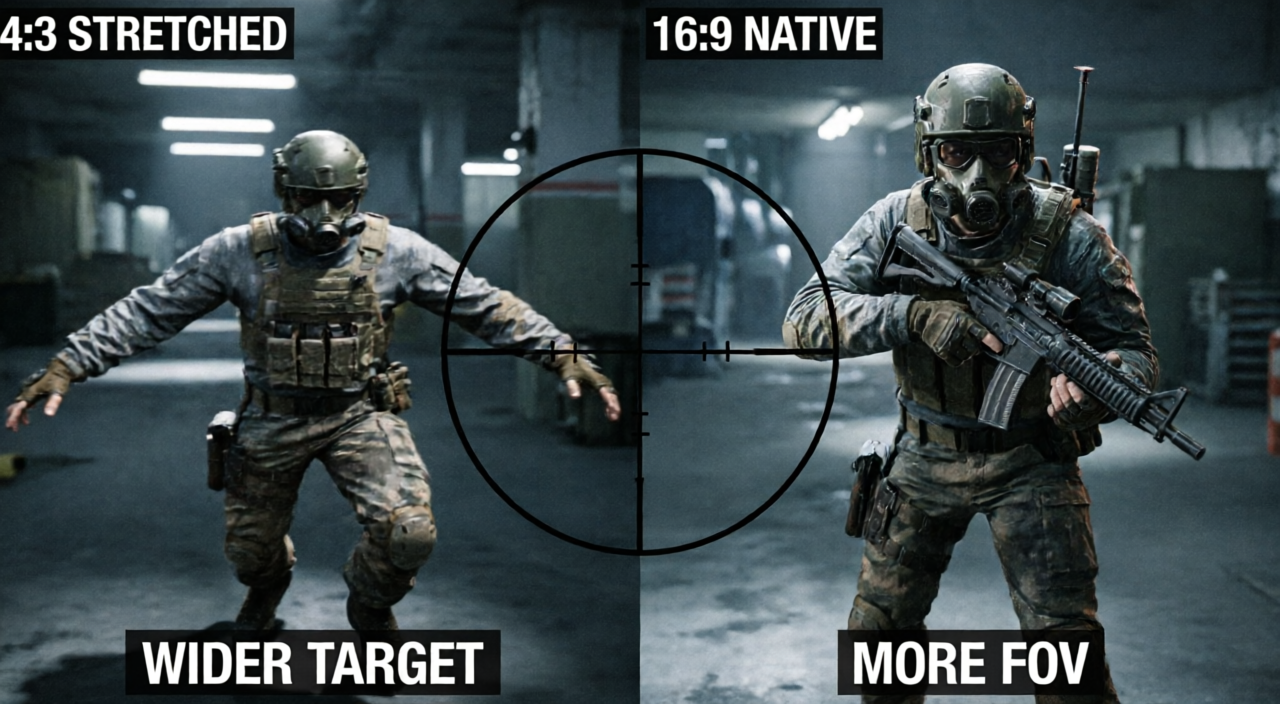
Version 4:3 stretched or 16:9 native? It is the oldest argument in Counter-Strike, and 2026 finally gave it numbers. Databases that track over a thousand players are consistent: around 77.8% of pros play 4:3, 1280x960 is the single most common resolution at roughly 59.4%, and most 4:3 players run it stretched. Only about 11.7% sit on 16:9 native — yet that number is exactly what everyone is talking about.
Why 4:3 stretched survives
"The enemies look fatter." — iAmTheDanger991, Reddit r/cs2
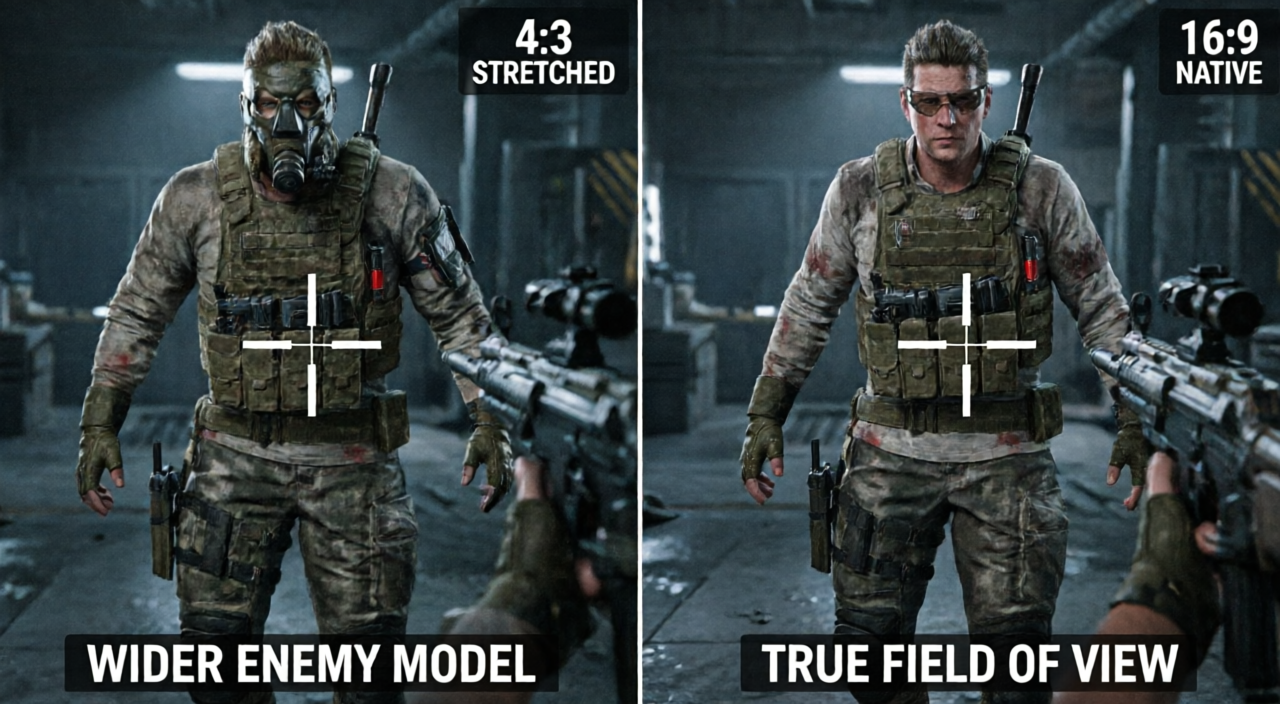
That is the whole case in six words. Stretching the 4:3 image crops horizontal FOV and widens every model on screen, so targets read bigger for flicks and long-distance headshots. "16:9 looks prettier... but 4:3 makes the game feel 'raw' and 'fast', especially when shooting with a spray," adds Aggravating_Bed_4447 on the same thread.
The hidden cost: FOV
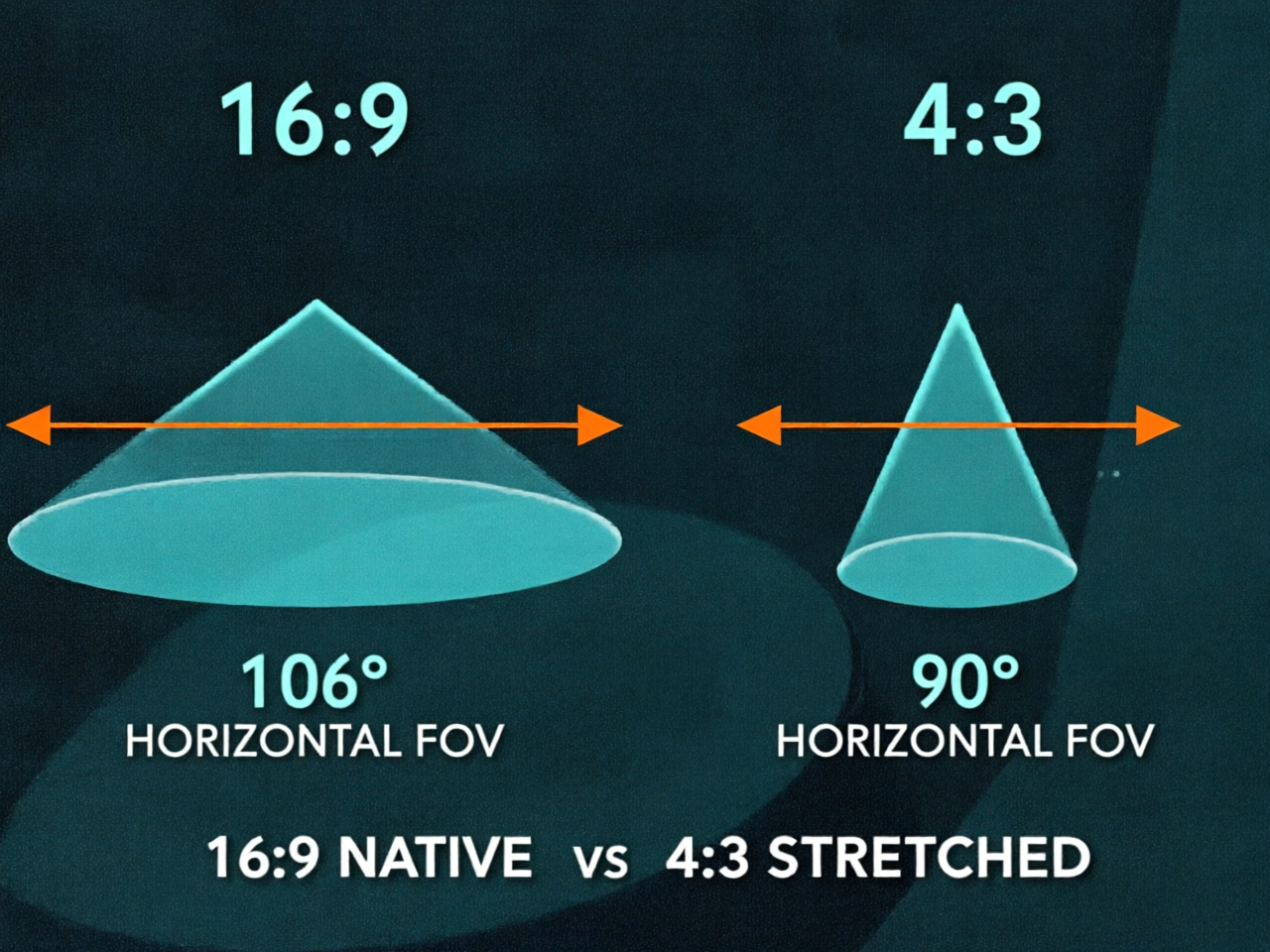
Here is where the debate gets real. On 16:9 the horizontal FOV is roughly 106 degrees; on 4:3 it drops to about 90, a loss of around 16 degrees. The model looks wider (up to +33% horizontally), but hitboxes do not change. As one NGA user put it: if you want a bigger target, the thing to change is FOV, not resolution.
Why 16:9 keeps growing
Pros and players are increasingly noticing the other side. "16:9 looks prettier, the game feels slower, and my aiming seems more stable," argues riv3 on Reddit. For veterans, the map's true proportions matter: Inferno door widths and long-range gaps are squashed under stretch, which can break pre-aim muscle memory. ropz is the clearest example — his coaching staff pushed him toward 4:3 like donk and NiKo, and after a two-day trial he switched back to his 1920x1080 native.
The adaptation trap
donk's experiment is the cautionary tale. He played five days on 16:9: the first two felt great, then it all collapsed. Switching back also takes weeks of recalibration. "I keep changing between 4:3 and 16:9 and can't stop," admits the Reddit thread's OP — the exact habit experts warn against.
If you do switch, keep your horizontal feel by applying a sensitivity scale such as 1.333 when moving between stretched and native, and expect a real adaptation window, not a one-session fix.
Decide with our tools
Whichever ratio you pick, run it through the CS2 sensitivity converter to keep aim between resolutions, verify your DPI with the CS2 eDPI calculator and match FOV math with the CS2 FOV calculator. Build the reticle that works on your new setup in the CS2 crosshair generator and tune the rest in the CS2 settings hub.
FAQ
How many CS2 pros use 4:3 stretched?
Databases tracking 1,000+ players show around 77.8% of pros play on 4:3, with 1280x960 at roughly 59.4%, and about 78% of 4:3 users running stretched. Only around 11.7% use 16:9 native, though the share is growing among younger players.
Does 4:3 stretched change hitboxes in CS2?
No. Hitboxes and bullet spread are unchanged. 4:3 stretched only makes enemy models look wider and taller on screen — 'the enemies look fatter' — and the trade-off is losing roughly 16 degrees of horizontal field of view.
Is 16:9 native better than 4:3 in CS2?
It depends. 16:9 gives the real horizontal FOV (about 106 vs 90 degrees) and keeps the map's true proportions, which helps players built around pre-aim. 4:3 gives a bigger visual target for flicks. Many younger pros are moving to 16:9, most veterans stay on 4:3 out of habit.
How long does it take to adapt after switching CS2 resolution?
A short trial can feel great for a day or two, then aim collapses. Pros describe adapting over weeks; switching repeatedly is the real problem. If you change sensitivity with the aspect ratio, use a scale like 1.333 to keep horizontal feel the same.
Conclusion
CS2's aspect ratio debate is settled on data but not on opinion. Nearly 78% of pros stay on 4:3 stretched because the wider model feels like real advantage — and the other ~12% on 16:9 are growing because the FOV and true proportions feel right. Both camps are correct, which is why the meta is shifting without ever flipping. The takeaway is consistency: pick a ratio, match your sensitivity scaling to it, and stop switching. Use the sensitivity converter, eDPI and FOV calcators, and the settings hub to lock in a baseline you can keep for months.
Sources: cs2pedia, proconfig.net, profilerr.net (pro resolution data), csdb.gg FOV reference, Reddit r/cs2, HLTV (via 5eplay), senslab, cs2pulse.
Try These Tools
Put this article into practice: tune your crosshair live, or convert sensitivity across games.
Keep Reading
CS2 Audio EQ (Crisp vs Smooth) & Pro Config: Hear Footsteps and Stop Getting Overridden
ProSettings vs CS2Settings: Where to Find Pro CS2 Settings & Crosshairs in 2026